Address
Location in the village of Poombarai (Kodaikanal, Tamil Nadu)
Work Hours
Monday to Friday: 7AM - 7PM
Weekend: 10AM - 5PM
Address
Location in the village of Poombarai (Kodaikanal, Tamil Nadu)
Work Hours
Monday to Friday: 7AM - 7PM
Weekend: 10AM - 5PM
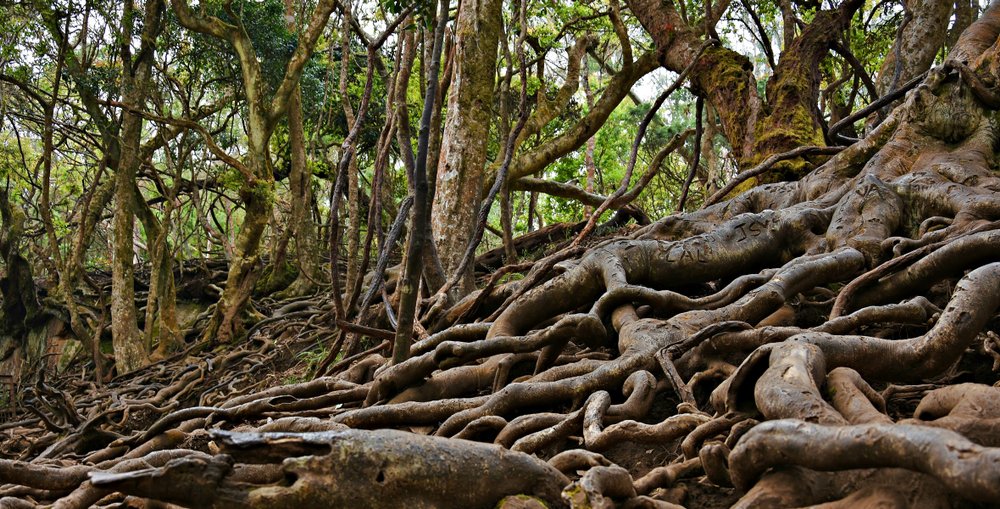
Nestled in the misty hills of Kodaikanal in Tamil Nadu, the Guna Caves stand as one of India’s most intriguing natural landmarks — blending breathtaking beauty with legends, cinematic fame, and a haunting aura of mystery. But perhaps the most fascinating question that draws both travelers and curious minds alike is: Why is the Guna Cave called the Devil’s Kitchen? Let’s unravel the story behind this enigmatic name and explore the many layers of history, folklore, culture, and nature that contribute to its mysterious identity.
The earliest records of this remarkable geological formation date back to 1821, when British officer B.S. Ward documented the site, originally calling it “Devil’s Kitchen”. In those early days, the caves were almost forgotten, known only to locals and a handful of explorers. It was the name “Devil’s Kitchen” that first captured the imagination of those who heard of it — a title both eerie and evocative.

There isn’t a single definitive explanation for the “Devil’s Kitchen” moniker. Rather, the name seems to have evolved as a result of several different factors tied to the appearance, atmosphere, and local voice associated with the caves.
One of the most striking features of the Guna Caves is their network of deep, narrow passages and hidden chambers. Inside, the darkness is pervasive, the terrain unpredictable, and the lighting almost nonexistent once you descend beyond the entrance. These labyrinthine interiors — home to bats and echoing with silence — created a setting that early visitors described as ominous and unsettling.
To those unfamiliar with the cave’s geography, the experience may have felt as though they were stepping into a place where unseen forces “worked in the shadows” — much like a mythical kitchen where mysterious, unseen things are simmering deep beneath the earth.
Local folklore also plays a vital role in how the name came to be associated with myth and symbolism. According to one popular legend rooted in Hindu mythology, the cave was said to have been used as a cooking shelter by the Pandavas during their long exile described in the epic Mahabharata. While there is no archaeological evidence to support this tale, it persists in local storytelling and has helped strengthen the symbolic association between the site and the concept of a “kitchen.”
This blending of myth and geography has a powerful impact on how ancient sites like the Guna Caves are remembered and talked about — offering a cultural narrative that makes the mysterious even more evocative.
So why Devil’s Kitchen, and not simply “Mysterious Kitchen”?
The answer may lie largely in perception.
The caves are known to host large colonies of bats, whose presence at the entrance creates strange sounds and eerie silhouettes. In many cultures, bats have historically been associated with nocturnal mystery, the unknown, and the supernatural. For early explorers unfamiliar with bat behaviour and cave ecosystems, the combination of darkness, fluttering wings, and echoing silence could easily evoke fear — and with it, the idea of something ominous or devilish lurking within.
Thus, the “Devil” part of the name may not refer to an actual supernatural presence but rather reflects the sense of foreboding and danger experienced by those early visitors — a symbolic shorthand for the unknown and potentially lethal aspects of the cave.
Adding to the cave’s eerie reputation are the numerous accidents and disappearances tied to its exploration. Over the years, several people have ventured into the depths of the caves only to never return. Because of the steep drops, hidden pits, and unstable terrain, many unfortunate incidents — including fatal falls — have been recorded, further reinforcing the idea of the cave as a place fraught with danger.
This tragic element adds a chilling layer to the nickname “Devil’s Kitchen,” suggesting a landscape that’s not only mysterious but also potentially perilous — an environment where the brave and curious must tread carefully.
Despite its original name, the site didn’t become widely popular until the early 1990s. When the critically acclaimed Tamil film “Guna” — starring legendary actor Kamal Haasan — was shot in and around the cave, the location was thrown into the public spotlight. After the movie became a cultural touchstone, visitors began referring to the site as Guna Caves, a name that has stuck ever since.
While the film helped boost tourism and interest, the cave’s mystique remained tied to its older name. Today, “Devil’s Kitchen” lives on in local lore, guidebooks, and traveler tales — a testament to the atmosphere of mystery that has surrounded the site for nearly two centuries.
So, why is the Guna Cave called the Devil’s Kitchen?
It’s not the result of a single legend or historical event, but rather a blend of natural features, human imagination, cultural storytelling, and historical context:
Together, these elements make the Devil’s Kitchen not just a geographical location — but a story woven into the hills of Kodaikanal, waiting to be experienced by those who dare to explore it (safely, of course!).
